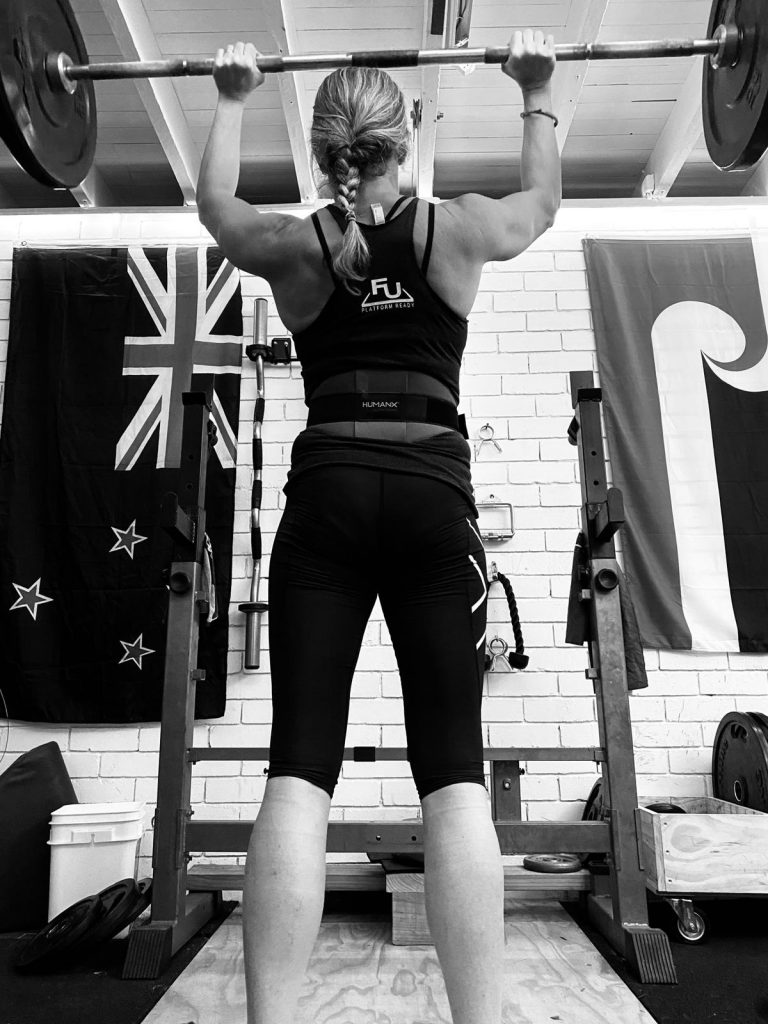
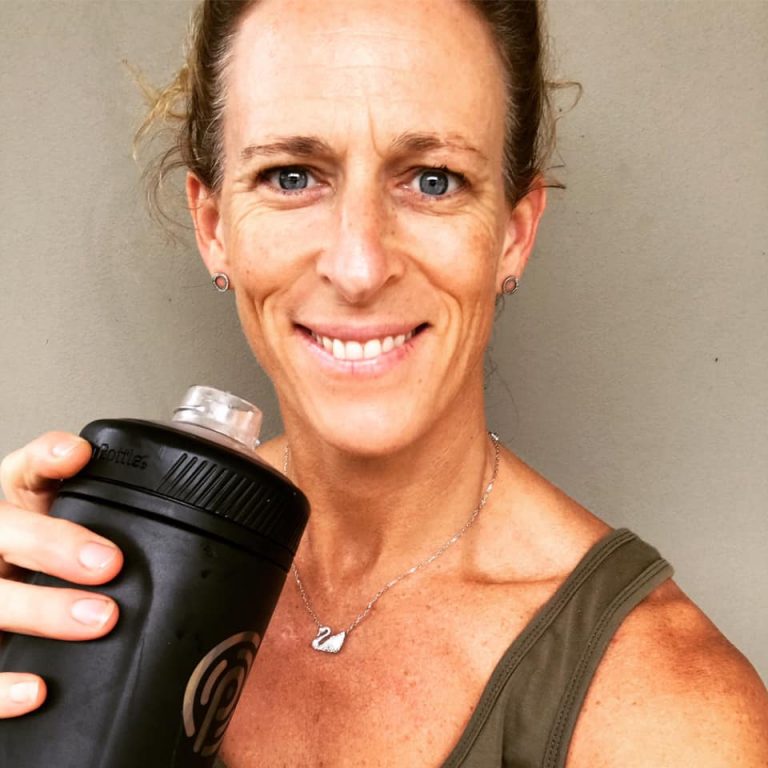
Angela’s Transformation Journey
Fat Loss in Midlife: What Finally Worked After Years of “White Knuckling” Menopause
For years, Angela did what so many women do — she gritted her teeth and pushed through. Hot flashes, weight gain, energy swings, and a metabolism that seemed to have completely different rules than it did in her twenties. She white-knuckled it, hoping it would pass.
It didn’t pass. And more importantly, she discovered that just surviving menopause wasn’t the same as actually thriving through it.
After losing 7 kilos (with a goal of 10), rebuilding her relationship with food and exercise, and completely shifting her mindset around her body, Angela sat down with me to share what she learned — and what she wishes she’d known sooner.
“I Didn’t Even Know What I Didn’t Know”
Angela describes herself as a lifetime dieter — up and down for years, trying different approaches, reading hundreds of books, following restrictive plans. Sound familiar?
The problem wasn’t effort. The problem was information.
“I didn’t have any understanding of nutrition, and had no idea about protein at all. I’d been restrictive dieting and not realising how I was just working against myself.”
This is one of the most common things I hear from women in midlife. We were conditioned by decades of diet culture — eat less, exercise more, cut carbs, repeat. And for a while in our twenties, it kind of worked. But in perimenopause and menopause, those same strategies don’t just stop working — they can actually make things worse.
Hormonal changes affect how your body uses protein, builds muscle, stores fat, and recovers from exercise. Without understanding those shifts, you’re essentially trying to navigate a new city with an old map.
The Menopause-Fat Loss Connection Nobody Talks About
Angela’s turning point came when she heard a podcast episode about Menopausal Hormone Therapy (MHT, also called HRT). It sparked something.
“I kind of did a switch from weight loss to menopause management — and then realised what such a big connection there was there.”
This reframe is everything. So many women come to me focused purely on the number on the scale, not realising that managing menopause is fat loss strategy. When you support your hormones, prioritise protein, build muscle, and reduce stress on your body — fat loss follows.
But it requires understanding that your body has changed, and what worked at 30 won’t work at 50.
The other thing Angela pointed out? Even when symptoms seem to ease up on their own, that doesn’t mean your health is being optimised.
“Not realising that even though your symptoms may subside, there’s no benefit to longevity for not managing it better.”
This is a crucial point. Menopause isn’t just about hot flashes. It’s about long-term bone density, cardiovascular health, muscle mass, metabolic health, and quality of life for the next 30–40 years. Managing it well now is an investment in your future self.
Why Protein Changes Everything
If there’s one nutrition lesson that landed hardest for Angela, it was protein.
Restrictive dieting — especially low-carb approaches — had led her to cut out or limit foods she’d convinced herself were bad. But without adequate protein, the body doesn’t have the raw material it needs to build or maintain muscle. And in menopause, muscle mass becomes your metabolic superpower.
“I’ve followed such restrictive diets over the years that I really have cut things. So I’m eating things that I’ve trained myself aren’t really good for me — but that’s not true.”
When you understand why certain foods support your body, it removes the fear and restriction. It’s not about eating less — it’s about eating strategically.
Exercise: It’s Not One Size Fits All (And Weights Are Not Just for Men)
Angela was never a “gym person.” Walking was her thing. And that’s okay — but she also recognised it wasn’t enough on its own to support the body composition changes she wanted.
Building muscle through resistance training is one of the most evidence-backed strategies for fat loss and health in midlife. But there’s a real barrier for women: confidence, access, and the culture around weights.
“It sort of just seems to be something that’s not available to women, and not having that confidence to go on the floor.”
Angela now has a home gym and is actively exploring different gym programs to find what fits her lifestyle. And that flexibility is part of the point — your approach can evolve. Home workouts for a while, then a gym, then something new. It doesn’t have to be fixed or perfect. It just has to be consistent enough to keep moving forward.
And the payoff? She noticed something powerful as her muscle mass increased.
“The more muscle that I’ve built, when I’ve had a bit of an off day, I find it wasn’t an impact like it was before.”
That’s metabolic resilience. More muscle means your body handles the ups and downs of life — a big dinner, a stressful week, a missed workout — with a lot more grace.
Mindset Shift: From Weight Loss to Longevity
Maybe the most important thing Angela said in our whole conversation was this:
“Embracing this course has just made such a difference to my mindset about weight loss versus longevity.”
That shift — from “how do I get smaller” to “how do I feel and function well for the next 30 years” — changes everything. It changes what you eat, how you exercise, how you talk to yourself, and how you invest in your health.
It also changes the calculus on getting support.
“It is an investment. I think I can either spend the money now or pay the doctor’s bills later.”
What Angela Would Tell Women Who Are Still White Knuckling It
If you’re reading this and you recognise yourself in Angela’s story — stuck, frustrated, not sure what to do — here’s her advice:
Educate yourself and ask the questions. Don’t just accept that this is something to suffer through. Seek out information. Find the right doctors, the right support, the right framework for your body.
Get the right information, not just more information. Angela had read hundreds of books and tried dozens of diets. The problem wasn’t quantity — it was finding a framework that actually made sense for her stage of life.
Invest in yourself. This one’s worth repeating. Women will spend money on coffee, clothes, and countless other things without blinking — but hesitate when it comes to their health. Your health is the foundation everything else rests on.
Key Takeaways
- Menopause and fat loss are deeply connected — managing one supports the other
- Protein is non-negotiable in midlife; restrictive diets work against you
- Resistance training builds metabolic resilience — even if you’ve never been a “gym person”
- The goal isn’t just weight loss — it’s longevity and quality of life
- White knuckling it is not a strategy; education and the right support are
This post was adapted from a conversation on the Menopause Nutritionist podcast. If you’re navigating fat loss, peri-menopause, or menopause and want to understand how nutrition and lifestyle can work for you — not against you — explore the Thrive Program or get in touch.